Published on August 8, 2024
Faith-Based Initiative Support Program
Empowering religious institutions and spiritual organizations to expand their community impact through comprehensive financial support and collaborative partnerships.
Our Commitment to Faith Communities
At Berru Charitable Foundation, we recognize that houses of worship serve as vital anchors in communities across our nation. Churches, synagogues, mosques, temples, and other religious institutions provide not only spiritual guidance but also essential social services, educational programs, and community support networks that strengthen the fabric of society. Our Faith-Based Initiative Support Program was established to ensure these sacred spaces have the resources they need to continue their transformative work.
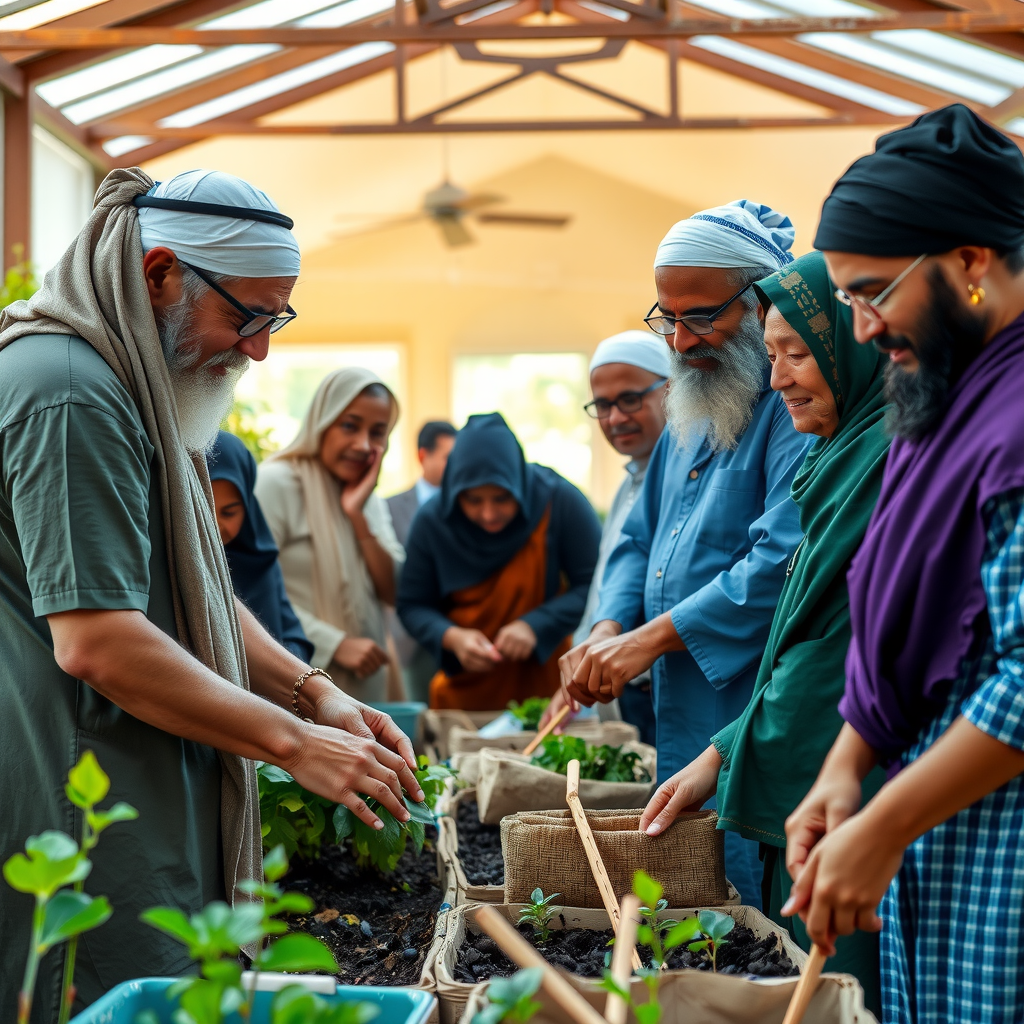
Since launching this program, we have partnered with over 200 religious organizations representing diverse faith traditions. Our commitment extends beyond financial support—we believe in fostering interfaith collaboration, promoting religious freedom, and celebrating the unique contributions each tradition brings to community service. Whether your congregation is planning facility improvements, developing new outreach programs, or expanding educational initiatives, our team is dedicated to supporting your vision.
We understand that faith communities face unique challenges in today's world—aging infrastructure, growing service demands, and the need to adapt to changing community needs. Our program addresses these challenges head-on, providing flexible funding solutions that respect the autonomy and mission of each religious institution while encouraging innovation and community engagement.
Comprehensive Funding Opportunities
Our Faith-Based Initiative Support Program offers grants ranging from $10,000 to $75,000, carefully calibrated to match the scope and potential community impact of each proposed project. We have structured our funding to support four primary categories of initiatives, each designed to strengthen the capacity of religious institutions to serve their communities effectively.
Building Renovations and Infrastructure Improvements
Many historic houses of worship face significant maintenance challenges, from aging roofs and outdated heating systems to accessibility barriers that prevent full community participation. Our building renovation grants support projects that preserve architectural heritage while modernizing facilities for contemporary needs. Eligible projects include structural repairs, energy efficiency upgrades, accessibility improvements compliant with ADA standards, safety system installations, and expansion of community gathering spaces.
Recent recipients have used these funds to install wheelchair ramps and elevators, replace deteriorating roofs, upgrade HVAC systems to reduce operating costs, renovate fellowship halls for expanded programming, and restore historic architectural features. We prioritize projects that demonstrate long-term sustainability and increased capacity for community service.
Program Development and Enhancement
Faith communities are uniquely positioned to address social needs through targeted programming. Our program development grants support the creation and expansion of initiatives that serve vulnerable populations, provide educational opportunities, and strengthen family and community bonds. Funding in this category supports youth mentorship programs, senior citizen services, addiction recovery support groups, job training and employment assistance, mental health counseling services, and cultural preservation initiatives.
Successful applicants have launched after-school tutoring programs serving 50+ students, established food pantries distributing thousands of meals monthly, created grief support groups for families experiencing loss, developed financial literacy workshops for low-income families, and organized cultural exchange programs promoting understanding between diverse communities.
Outreach Ministries and Community Service
Outreach ministries extend the compassionate mission of faith communities beyond their walls, addressing urgent needs in surrounding neighborhoods. These grants support homeless services and shelter programs, disaster relief and emergency assistance, prison ministry and reentry support, healthcare access initiatives, environmental stewardship projects, and refugee resettlement assistance. We particularly value projects that mobilize volunteers and create sustainable partnerships with other community organizations.
Grant recipients have established mobile medical clinics serving uninsured populations, created transitional housing programs for formerly incarcerated individuals, organized community gardens providing fresh produce to food deserts, developed disaster response teams trained in emergency assistance, and launched environmental education programs teaching sustainable living practices.
Interfaith Collaboration Projects
In an increasingly diverse society, interfaith collaboration represents a powerful force for community cohesion and mutual understanding. We actively encourage projects that bring together multiple faith traditions to address shared concerns and celebrate common values. These collaborative grants support interfaith dialogue series and educational forums, joint community service initiatives, cultural celebration events promoting religious literacy, peace and reconciliation programs, and shared resource development benefiting multiple congregations.
Notable interfaith projects have included annual community festivals celebrating religious diversity, collaborative affordable housing developments, shared childcare facilities serving multiple congregations, interfaith youth leadership academies, and joint advocacy campaigns addressing social justice issues affecting the broader community.
Eligibility Requirements
Our program welcomes applications from religious institutions across all faith traditions. To ensure responsible stewardship of grant funds and maximize community impact, we have established clear eligibility criteria that applicant organizations must meet.
Organizational Requirements
Eligible organizations must be registered as 501(c)(3) nonprofit religious organizations or houses of worship recognized by the IRS. Applicants should have been actively serving their community for at least two years, demonstrating stability and commitment. Organizations must maintain proper financial records and be willing to undergo a financial review as part of the application process. Additionally, applicants must have a governing board or leadership structure that provides organizational oversight and accountability.
Project Requirements
Proposed projects must demonstrate clear community benefit extending beyond the congregation itself. We seek initiatives that address identified community needs through measurable outcomes and sustainable approaches. Projects should align with at least one of our four funding categories and include realistic budgets with detailed cost breakdowns. Applicants must demonstrate organizational capacity to successfully implement the proposed project, including adequate staffing, volunteer support, or partnership arrangements.
Community Impact Standards
We prioritize projects that serve diverse populations and promote inclusivity within their communities. Successful applications articulate how the proposed initiative addresses specific community needs identified through assessment or consultation with community members. Projects should demonstrate potential for long-term sustainability beyond the grant period and include plans for measuring and reporting outcomes. We particularly value initiatives that leverage additional resources through partnerships, volunteer engagement, or matching funds.
Application Process and Timeline
We have designed our application process to be thorough yet accessible, recognizing that many faith communities have limited administrative capacity. Our team provides support throughout the application journey, from initial inquiry through final reporting.
Step One: Letter of Inquiry
The application process begins with a letter of inquiry, a brief document of 2-3 pages introducing your organization and proposed project. This letter should include your organization's mission and history, a description of the proposed project and its community impact, preliminary budget estimates, and information about your leadership and organizational capacity. Letters of inquiry are accepted on a rolling basis throughout the year. Our program staff reviews submissions within three weeks and invites promising applicants to submit full proposals.
Step Two: Full Proposal Submission
Organizations invited to submit full proposals receive detailed guidelines and access to our online application portal. The full proposal includes comprehensive project description with goals, activities, and timeline, detailed budget with justification for all expenses, organizational information including governance structure and financial statements, letters of support from community partners or beneficiaries, and evidence of community need and project feasibility. Applicants have 60 days to complete and submit their full proposals. Our staff is available for consultation during this period to answer questions and provide guidance.
Step Three: Review and Site Visits
Our review committee, composed of foundation staff and community advisors representing diverse faith traditions, evaluates all full proposals. For projects requesting grants above $40,000, we conduct site visits to meet with leadership, tour facilities, and better understand community context. The review process typically takes 8-10 weeks from proposal submission. During this time, we may request additional information or clarification from applicants.
Step Four: Award Notification and Grant Agreement
Successful applicants receive formal award notifications outlining grant amount, project period, and reporting requirements. Grant agreements specify the terms and conditions of funding, including payment schedule, budget modifications procedures, and outcome measurement expectations. Most grants are disbursed in two installments: 70% upon execution of the grant agreement and 30% upon submission of a satisfactory interim progress report. Projects typically span 12-18 months, though building renovation projects may extend to 24 months.
Success Stories: Transforming Communities Through Faith
The true measure of our program's impact lies in the transformed lives and strengthened communities our grantees serve. These success stories illustrate the diverse ways faith communities are addressing critical needs and building hope.
Grace Community Church: Expanding Youth Services
Located in a neighborhood with limited recreational opportunities for young people, Grace Community Church received a $45,000 grant to renovate their basement into a comprehensive youth center. The project included creating a computer lab with 15 workstations for homework assistance and digital literacy training, a music room with instruments for after-school programs, a multipurpose space for sports and activities, and a commercial kitchen for cooking classes and nutrition education.
Since opening in March 2024, the youth center serves 85 young people weekly through tutoring programs, music lessons, sports leagues, and life skills workshops. Academic performance among participating students has improved significantly, with 78% showing grade-level advancement. The center has become a safe haven where young people build positive relationships with adult mentors and develop skills for future success.
Temple Beth Shalom: Senior Wellness Initiative
Recognizing the growing isolation among elderly community members, Temple Beth Shalom developed a comprehensive senior wellness program with support from a $32,000 grant. The initiative includes daily lunch programs providing nutritious meals and social connection, health screenings and wellness education in partnership with local healthcare providers, transportation services for medical appointments and grocery shopping, technology training helping seniors stay connected with family, and intergenerational programs bringing together seniors and youth.
The program now serves 120 seniors from diverse backgrounds, many of whom report reduced feelings of loneliness and improved physical health. The temple has become a vibrant hub of activity, with seniors volunteering as mentors, sharing cultural traditions, and forming lasting friendships across religious and ethnic lines.
Islamic Center of Springfield: Refugee Resettlement Support
When refugee families began arriving in Springfield, the Islamic Center stepped forward to provide comprehensive resettlement support through a $58,000 grant. The program assists families with housing placement and furnishing, English language instruction and cultural orientation, employment assistance and job training, school enrollment and educational support for children, and connection to healthcare and social services.
Over the past year, the center has helped 23 refugee families establish stable lives in their new community. The program has mobilized over 100 volunteers from multiple faith communities, creating an interfaith network of support that has enriched the entire city. Refugee families report feeling welcomed and supported, with 85% achieving employment within six months of arrival.
Interfaith Alliance: Community Food Security Project
Five congregations from different faith traditions united to address food insecurity through a collaborative $65,000 grant. The project established a shared food pantry and distribution center, community gardens on congregational properties producing fresh vegetables, cooking classes teaching nutrition and meal preparation, a gleaning program collecting surplus produce from local farms, and advocacy efforts addressing systemic food access issues.
This interfaith collaboration now serves 450 families monthly, distributing over 15,000 pounds of food. The project has strengthened relationships between participating congregations and demonstrated the power of unified action. Community members appreciate receiving assistance in a dignified, culturally sensitive environment that respects diverse dietary practices and traditions.
Supporting Religious Freedom and Spiritual Growth
Our commitment to faith communities extends beyond financial support to encompass a deep respect for religious freedom and the vital role spiritual growth plays in individual and community wellbeing. We recognize that houses of worship are not merely service providers but sacred spaces where people encounter transcendence, find meaning, and develop moral frameworks that guide their lives.
The Berru Charitable Foundation operates with profound respect for the autonomy of religious institutions. We do not impose theological requirements or favor particular faith traditions. Our review process evaluates projects based on community impact, organizational capacity, and project feasibility—never on doctrinal positions or religious practices. We believe that diversity of faith traditions strengthens our society and that each tradition offers unique wisdom and approaches to serving the common good.
We are particularly committed to supporting smaller congregations and emerging faith communities that may lack access to traditional funding sources. These organizations often serve marginalized populations and provide culturally specific support that larger institutions cannot replicate. By ensuring equitable access to our grant program, we help preserve the rich tapestry of religious expression that characterizes American society.
Our vision extends to fostering interfaith understanding and cooperation. In a world often divided by religious differences, we believe faith communities can model respectful dialogue, collaborative action, and mutual appreciation. Many of our most successful grants have brought together diverse religious traditions to address shared concerns, demonstrating that common values transcend theological differences. These partnerships not only multiply impact but also build bridges of understanding that strengthen the entire community.
Technical Assistance and Capacity Building
Beyond grant funding, we provide comprehensive technical assistance to help faith communities strengthen their organizational capacity and maximize their community impact. Our capacity building services are available to all grantees and include workshops on nonprofit management, financial planning, and program evaluation, one-on-one consultation with experienced nonprofit advisors, networking opportunities connecting grantees with peer organizations, access to online resources and toolkits for program development, and assistance with volunteer recruitment and management.
We understand that many religious leaders are trained in theology and pastoral care rather than nonprofit administration. Our technical assistance helps bridge this gap, providing practical skills and knowledge that enable congregations to operate more effectively. Topics covered in our workshops include grant writing and fundraising strategies, board development and governance, strategic planning and program design, financial management and budgeting, volunteer coordination and retention, community needs assessment, outcome measurement and evaluation, and marketing and communications.
We also facilitate peer learning networks where grantees can share experiences, challenges, and best practices. These networks have proven invaluable, creating communities of practice where faith leaders support one another and collaborate on shared initiatives. Many lasting partnerships and collaborative projects have emerged from these connections.
Looking Forward: The Future of Faith-Based Community Service
As we look to the future, we see tremendous potential for faith communities to address emerging challenges and opportunities. The COVID-19 pandemic demonstrated both the vulnerability and resilience of religious institutions, many of which pivoted quickly to provide essential services while adapting their spiritual practices to new realities. This adaptability and commitment to service position faith communities as vital partners in addressing ongoing social challenges.
We are particularly interested in supporting innovative approaches to traditional challenges. This includes leveraging technology to expand reach and accessibility, developing sustainable funding models that reduce dependence on external grants, creating partnerships with secular organizations to maximize resources, addressing emerging needs such as mental health support and digital literacy, and engaging younger generations in faith-based service and leadership.
The Berru Charitable Foundation remains committed to walking alongside faith communities as they navigate an evolving landscape. We will continue to provide flexible, responsive funding that honors the unique mission and context of each congregation while encouraging innovation and collaboration. Our goal is not simply to fund projects but to invest in the long-term capacity of religious institutions to serve as anchors of hope, healing, and transformation in their communities.
We invite faith communities across all traditions to explore partnership with us. Whether you are planning facility improvements, developing new programs, expanding outreach ministries, or pursuing interfaith collaboration, we want to hear your vision and explore how we might support your work. Together, we can strengthen the vital role that houses of worship play in building healthy, compassionate, and resilient communities where all people can flourish.
Begin Your Application Journey
If your faith community is ready to expand its impact and serve your neighbors more effectively, we encourage you to begin the application process. Our team is here to answer questions, provide guidance, and support you throughout the journey from initial inquiry to project completion.
Before submitting a letter of inquiry, we recommend reviewing our detailed application guidelines, exploring success stories from previous grantees, assessing your organizational readiness and capacity, engaging your leadership and congregation in project planning, and identifying potential community partners and supporters.
The Berru Charitable Foundation believes in the transformative power of faith communities to create positive change. Through our Faith-Based Initiative Support Program, we are honored to partner with houses of worship across all traditions as they live out their sacred calling to serve, heal, and uplift their communities. We look forward to learning about your vision and exploring how we might support your important work.